Digital Gaming and Its Role in the Expanding Global Digital Economy
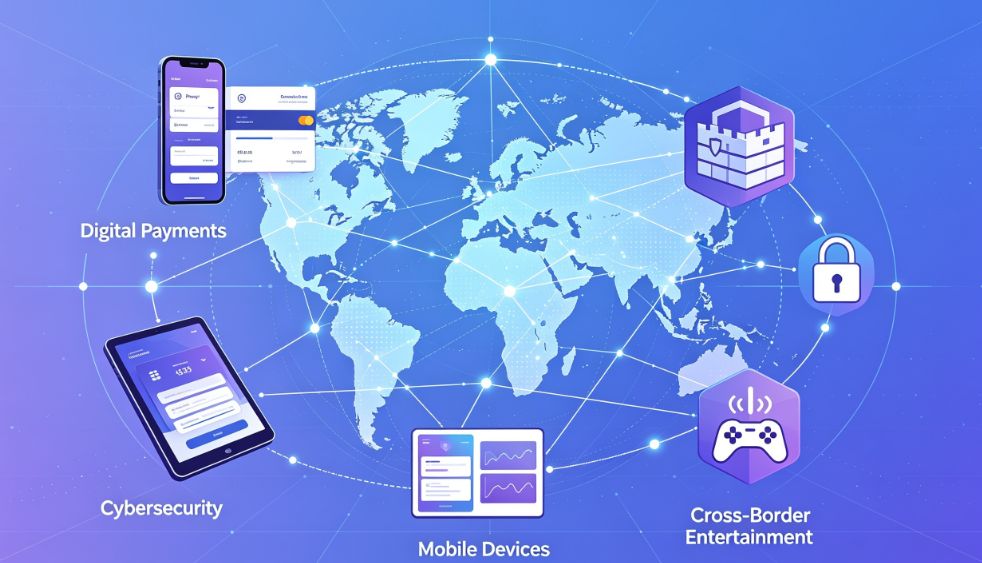
Digital commerce continues to reshape how people purchase services, access entertainment, and interact across international markets. Research from the World Trade Organization (WTO) shows that digitally delivered services have become one of the fastest-growing segments of global trade, supported by advances in online payments, cloud computing, and digital infrastructure. As cross-border entertainment expands, platforms such as UK friendly Australian casinos illustrate how businesses adapt their services to reach users in different jurisdictions while operating within evolving regulatory and commercial environments.
Digital Entertainment as an Economic Driver
Online entertainment has become an important contributor to the wider digital economy. Streaming platforms, online gaming, digital education, and software services all depend on international networks that allow providers to serve customers across borders. Data published by the Organisation for Economic Co-operation and Development (OECD) highlights that digital trade continues to support economic growth by lowering barriers to international commerce and expanding market access for businesses of different sizes.
Cross-border gaming platforms are part of this broader trend. Their operations rely on secure technology, international payment processing, cloud hosting, cybersecurity, customer support, and compliance systems. Each of these services creates demand for skilled professionals and supports businesses beyond the gaming sector itself.
Payment Innovation Supports International Markets
One of the biggest factors behind the growth of digital entertainment is payment innovation. Consumers increasingly expect fast, secure, and convenient methods to complete transactions regardless of their location.
Research from the Bank for International Settlements (BIS) notes that improvements in payment technology have reduced transaction friction while encouraging greater participation in cross-border digital commerce. Digital wallets, card networks, bank transfers, and alternative payment methods allow international customers to access services with fewer technical barriers than in previous years.
Gaming companies often integrate multiple regional payment options because customer preferences differ across countries. A payment method widely used in one market may have limited adoption elsewhere. Supporting local preferences helps improve accessibility while reducing unnecessary transaction complications.
Regulatory Cooperation Shapes Market Expansion
International digital markets operate under different legal frameworks. Licensing rules, consumer protection requirements, anti-money laundering measures, and responsible gaming standards vary from one jurisdiction to another.
Experts from the Financial Action Task Force (FATF) emphasize the importance of international cooperation when addressing financial crime risks within digital services. Shared regulatory principles help businesses operate more consistently while protecting consumers and maintaining market confidence.
Cross-border gaming companies therefore invest significant resources in compliance. Rather than applying identical operating models everywhere, businesses often tailor their policies to meet regional legal requirements. This approach supports lawful operations while respecting national regulations.
Taxation Remains a Key Economic Consideration
Tax policy continues to influence the development of international digital industries. Governments are working to modernize tax systems so they better reflect online commercial activity that extends beyond traditional geographic boundaries.
The OECD has developed international initiatives designed to improve tax cooperation among participating jurisdictions. These efforts seek to create greater certainty for businesses while helping governments collect revenue from digital economic activity that spans multiple countries.
Digital gaming operators are among the many businesses affected by these developments. Compliance with taxation rules requires detailed reporting, transparent accounting practices, and continuous monitoring of regulatory changes. Although implementation differs between jurisdictions, clear tax frameworks can improve business certainty and encourage long-term investment.
Consumer Mobility Changes Market Expectations
Modern consumers increasingly travel, relocate, or work remotely while maintaining access to digital services. This greater mobility has influenced how entertainment providers design their platforms. Consumer behavior has also encouraged further discussion around alternative casino markets, where evolving player preferences, regional regulations, and payment accessibility continue to shape international digital gaming trends.
Research from the United Nations Conference on Trade and Development (UNCTAD) indicates that expanding internet access and digital connectivity continue to strengthen international participation in online commerce. Consumers now expect localized experiences even when using services based outside their home countries.
For digital gaming businesses, localization extends beyond language translation. Companies may provide region-specific payment methods, customer support during local business hours, transparent terms, and information that reflects applicable legal requirements. These adjustments help improve user understanding while supporting regulatory compliance.
Technology Creates Wider Economic Benefits
The technology supporting cross-border gaming contributes to innovation across multiple industries. Advances in cybersecurity, fraud detection, cloud infrastructure, identity verification, and payment security are valuable far beyond entertainment alone.
Data from the World Economic Forum suggests that digital trust has become a major factor influencing online economic participation. Businesses that invest in secure technology and transparent operations strengthen confidence among consumers and commercial partners alike.
Many technical solutions originally developed for large-scale digital platforms eventually find applications in financial services, e-commerce, healthcare, education, and government systems. This transfer of innovation demonstrates how digital entertainment can contribute to broader technological progress.
Balancing Growth With Consumer Protection
Rapid digital expansion also creates new responsibilities. Policymakers continue to strengthen rules covering privacy, cybersecurity, responsible gaming, and financial transparency.
The European Commission and other regulatory bodies regularly update digital policies to improve consumer safeguards while supporting innovation. Businesses operating internationally must remain flexible because legal requirements continue to evolve alongside technological change.
Responsible gaming messaging represents one example of this balance. Operators increasingly provide information about safer gambling tools, spending controls, and support resources alongside their entertainment services. These measures contribute to broader consumer protection objectives without limiting access for individuals who choose to participate responsibly.
Future Trends in the Global Digital Economy
Cross-border digital entertainment is likely to remain an important component of international online commerce. Improvements in payment systems, stronger regulatory cooperation, expanding internet access, and continued investment in secure digital infrastructure all support future market development.
Businesses serving international audiences will continue refining localized services while adapting to changing legal expectations and consumer preferences. Cross-border gaming platforms demonstrate how digital companies can participate in global commerce through compliance, technology, and customer-focused design rather than relying solely on geographic expansion.
The wider digital economy benefits when innovation is supported by transparency, security, and effective international cooperation. As governments, businesses, and technology providers continue working together, cross-border digital services are expected to play an increasingly significant role in global economic activity while encouraging more connected and efficient online markets.