How Players Decide Which MM2 Gambling Site is the Best in a Decentralized Item Economy
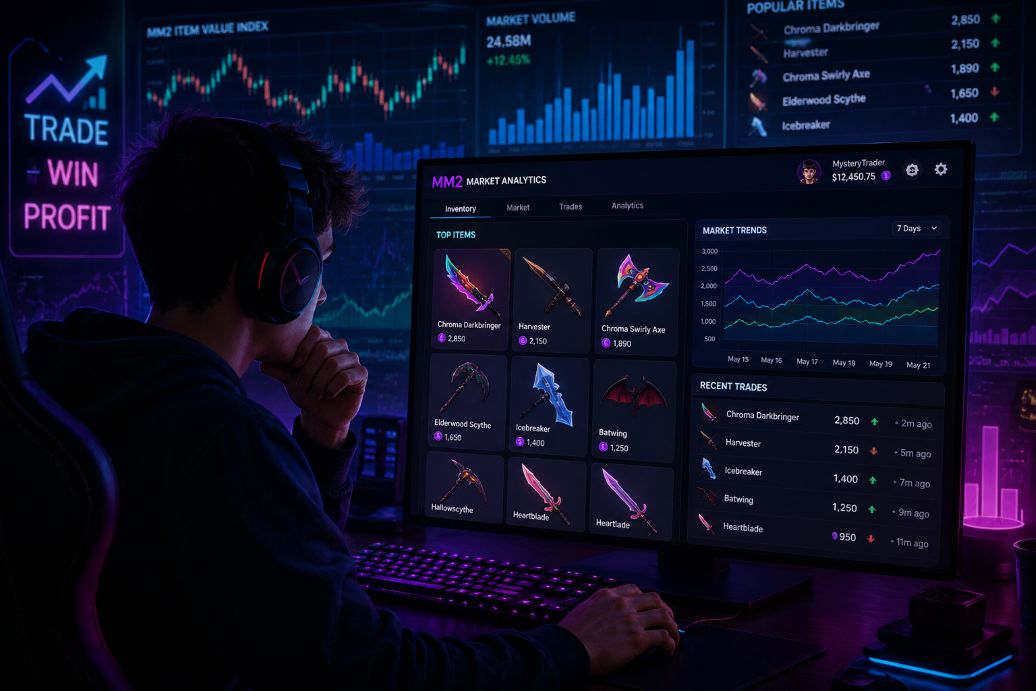
Digital item economies have grown into complex systems where value is shaped by scarcity, demand, and player trust. Research from Statista shows that virtual goods markets continue to expand year after year, driven by player-to-player trading and platform ecosystems. In games like Murder Mystery 2, this reality becomes personal. Every knife, gun, or collectible carries not just aesthetic value, but social meaning and trade potential.
For Adrian, a casual player, the journey began simply. He spent evenings trading items, checking values, and slowly building a modest inventory. Over time, curiosity crept in. Conversations in trading servers often shifted toward risk and reward, and eventually, he came across discussions about which mm2 gambling site is the best. It was presented not as reckless behavior, but as a strategy, a way to accelerate progress in a decentralized item economy.
Ordinary World: The Comfort of Trading
At first, Adrian stayed within familiar ground. Trading felt safe. It required patience, observation, and negotiation skills. Each deal was a small victory. Players like him relied on community value lists and peer insights to make decisions. Data from Newzoo suggests that player-driven economies thrive on trust and shared knowledge, which explains why trading communities remain active and influential.
Despite the slow pace, there was satisfaction in organic growth. Adrian knew the value of each item he owned. He understood trends and seasonal shifts. Still, the process was gradual, and sometimes frustrating. Watching others gain rare items quickly sparked a quiet question. Was there a faster path?
Call to Action: Discovering Risk-Based Platforms
The turning point came during a late-night conversation. Another player shared a story about turning a mid-tier item into a high-value collectible through a betting platform. The idea sounded risky, yet intriguing. It introduced Adrian to a different layer of the ecosystem, one where probability replaced negotiation.
Industry observers, including insights from Deloitte Digital, note that gamified risk systems often attract users because they combine entertainment with potential reward. For Adrian, this was not just about gambling. It was about exploring a new strategy within a system he already understood.
He decided to try. Carefully, and with hesitation, he stepped beyond the boundaries of traditional trading.
Trials: Testing Different MM2 Betting Sites
The first experience was confusing. Interfaces varied, rules differed, and outcomes felt unpredictable. Some platforms emphasized transparency, showing odds and recent results. Others were less clear, making it harder to assess fairness.
Adrian quickly learned that not all platforms were equal. He began comparing them, not just based on wins or losses, but on structure and reliability. Key questions guided him:
- Are the odds clearly displayed and consistent?
- Does the platform provide proof of fairness?
- How fast are item payouts processed?
- Is there an active and responsive community?
These trials were not always successful. Losses happened. At times, frustration overshadowed curiosity. Yet each experience added a layer of understanding. Experts from Harvard Business Review highlight that users in digital ecosystems often learn through iterative interaction, refining decisions based on feedback and outcomes.
Gradually, Adrian became less reactive and more analytical. He stopped chasing quick wins and started observing patterns.
Insight: Understanding Fairness, Odds, and Systems
The real shift came when Adrian began to see these platforms not as games of chance, but as systems. Odds were not random. They were structured probabilities. Fairness was not a promise, it required verification. Payout systems reflected operational efficiency, not luck. This deeper awareness aligns with broader discussions around the economic impact of money-making gaming platforms, where digital ecosystems are shaped by user behavior, platform design, and value exchange.
Studies from MIT Sloan Management Review suggest that trust in digital systems is built through transparency and consistency. This idea resonated deeply. Adrian started favoring platforms that provided verifiable fairness mechanisms, such as publicly accessible result logs or provably fair systems.
He also recognized the importance of discipline. Setting limits, tracking outcomes, and avoiding emotional decisions became essential habits. What once felt like a gamble began to resemble a calculated risk.
Through this process, Adrian developed a personal framework. Instead of asking which platform offered the biggest rewards, he focused on which ones demonstrated reliability, fairness, and user trust.
Return: A More Informed Player in a Complex Economy
When Adrian returned to trading, his perspective had changed. He was no longer just a participant in the market. He was an informed decision-maker, capable of evaluating both traditional trades and risk-based opportunities.
He shared his insights with others, emphasizing caution and understanding. Many new players asked variations of the same question, searching for the top MM2 betting platforms or the most reliable item wagering sites. Adrian’s answer was never simple. It depended on the player’s goals, risk tolerance, and willingness to learn.
What mattered most was not finding a single “best” platform, but developing the skills to evaluate them independently. In a decentralized item economy, control rests with the player. Choices define outcomes.
Data from PwC Global Entertainment & Media Outlook reinforces this idea, noting that user empowerment is a defining feature of digital economies. Players are no longer passive consumers. They actively shape their experiences through informed decisions.
Adrian’s journey reflects this shift. From casual trader to analytical participant, he learned that success in virtual economies requires more than luck. It demands awareness, patience, and a willingness to adapt.
Conclusion: Beyond the Question
The search for the ideal MM2 gambling platform often begins with curiosity, but it evolves into something deeper. Players explore, test, and learn, gradually building their own criteria for trust and value. Along the way, they move beyond simple comparisons and start understanding the systems that drive outcomes.
For those entering this space, the lesson is clear. Focus on transparency, evaluate fairness, and approach every decision with intention. Whether engaging in trading or exploring item-based betting environments, informed choices lead to better experiences.
In the end, the real answer to finding the most reliable platform lies not in a single recommendation, but in the player’s journey toward understanding the ecosystem itself.
Tags:
Image Prompt Suggestions:
- A gamer analyzing virtual items on a glowing screen with trading charts in the background
- A digital marketplace scene with floating MM2-style items and value indicators
- A player standing at a crossroads between trading and gambling paths in a game world
- An interface-style illustration showing odds, payouts, and item icons
- A futuristic economy visualization with interconnected players and digital assets